Some things, once you give them away, you cannot get back.
This is true with most people, but with a narcissist it becomes a rule of survival. What feels like generosity, openness, or love turns into ammunition aimed back at you, often within weeks of handing it over.
The hard part is that most of these things are exactly what a healthy relationship is built on. Trust. Time. Vulnerability. The willingness to share your fears.
In a healthy relationship, those things create connection. With a narcissist, they create leverage.
Here are eight things to think twice about before giving them to a narcissist, and what each one is actually worth protecting.

#1 Access to your money
Joint accounts. Saved card details. Open access to your earnings. Knowledge of what you make and what you have saved.
Once a narcissist has any of these, the money stops being fully yours.
Spending will increase. Bills will land on your side of the relationship more often than feels fair. The savings you built will start to disappear in slow drips, with explanations that always sound reasonable in the moment.
You will not notice it as it is happening. You will notice it later, when you sit down to look at your finances and cannot account for where the year went.
Healthy relationships involve financial transparency, but transparency is not the same as access. You can be open about your finances without handing over the keys.
If you are already in a relationship where this has happened, getting it back is harder than not giving it in the first place. But it is doable, and the first step is just being honest with yourself about what has been going on.
#2 Your private information
The thing you told them in confidence does not stay in confidence.
Your medical history, your family's struggles, your past mistakes, the secret you have not even told your closest friend. You shared it with them because you trusted them. They will use it.
Sometimes they share it with others, dressed up as concern.
I am worried about her, did you know she had to deal with...
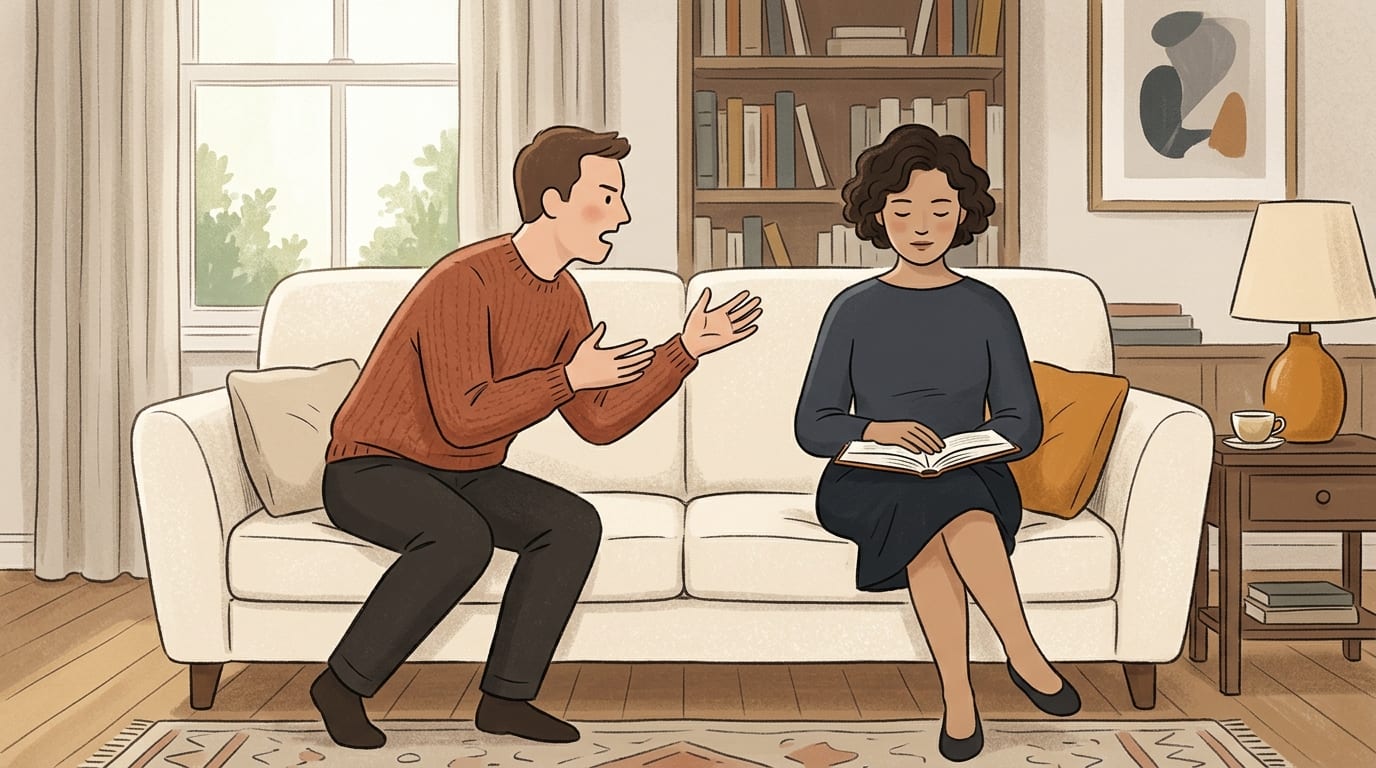
Sometimes they use it directly against you in arguments, weaponizing your most vulnerable moments to win a point.
 See alsoWhy Narcissists Should Fear an Empath Who Has Reached the Rubedo Stage
Either way, the information is no longer yours. You handed it over and it became a tool in their collection.
The hard lesson from this is that not everyone deserves your full inner world. Some things are appropriate to share with a therapist, a sister, a friend who has earned the trust over years. They are not appropriate to share with someone who has not yet proven they can hold them.
#3 Your full trust, given upfront
Healthy people earn trust gradually. They show up reliably, they keep small promises, they handle small confidences well, and over time you learn that the bigger ones will be safe with them.
Narcissists ask for full trust early.
You can trust me.
I would never lie to you.
I am not like the others.
 See also5 Passive Aggressive Tactics Narcissists Use That You'd Never Recognize As Abuse
The asking is the giveaway. People who are actually trustworthy do not request trust upfront. They demonstrate it across time, and you arrive at trust without ever having to consciously decide.
When someone insists on being trusted before they have demonstrated anything, slow down. The insistence itself is data.
You do not owe anyone your full trust on day one. You earn it together, slowly. That is what real intimacy is built on.
#4 Your time
This is the one most survivors regret most.
The years you cannot get back. The weekends. The evenings spent managing their moods. The days you lost to recovering from things they said.
Time is the only resource you cannot replace. Money can be earned again. Friendships can be rebuilt. Health can sometimes return.
Time is gone.

When you are still inside the relationship, you do not feel the loss the way you will later. You are surviving day to day. You are hopeful that things will get better. You are not adding up the cost.
The cost adds up anyway.
This is not meant to make you feel worse if you have already lost time to one. The lost time is real, but it is also a teacher. The version of you who came out of that experience knows things the version who went in did not. That knowledge has value.
 See alsoDo These 6 Things And The Narcissist Will Never Have Leverage Over You Again
What it should change is how you spend the time you have left. Time is precious. Spend it on people who reflect your value back to you.
#5 Your triggers
What scares you. What undoes you. The thing that, when said in the right tone, makes you fall apart.
In a healthy relationship, knowing each other's triggers leads to careful avoidance of them. The trust grows because both people demonstrate that they will not use the vulnerable information as a weapon.
In a narcissistic relationship, sharing a trigger is handing over a tool.
The trigger gets used. Sometimes immediately. Sometimes saved for later, when an argument is going badly and they need a quick way to destabilize you.
You will recognize this pattern in retrospect. You will think back to fights where you ended up apologizing for things you did not do, and realize the fight was steered by something specific they said that touched a nerve they had no business knowing about.
The lesson is not to never share what hurts you. The lesson is to share it carefully, with people who have earned the right to know it.
#6 Your fears
Related but worth its own entry.
Your fears tell a narcissist exactly which buttons to push when they want a reaction.
Worse, they tell the narcissist how to play savior.
If they know you are afraid of being alone, they will threaten to leave, then walk back the threat as proof of how committed they are. If they know you are afraid of financial instability, they will create financial drama and then resolve it dramatically. If they know you are afraid of conflict, they will create conflict to keep you anxious, then become the calming presence to make it stop.
The cycle of fear and rescue is one of the most powerful manipulations they have, and it requires that they know what you are afraid of.
You can have an emotionally honest relationship without telling someone every fear you carry. Selective vulnerability is not dishonesty. It is wisdom.
#7 Your awe
This one is subtler.
Awe is the look of being impressed, the energy of treating someone as remarkable, the way you light up when they walk into a room.
For most people, awe is something you bring to genuinely impressive moments and people. For a narcissist, awe is currency. They want it constantly, and they want as much of it as you can produce.
The trouble is that giving them this much awe distorts your perception. When you treat someone as larger than life, you stop seeing them clearly. The flaws become invisible. The red flags get reframed. The behavior that should bother you somehow does not, because someone this impressive must have a good reason for what they did.
You do not need to admire someone less in order to love them. You just need to see them at human scale. Real love is built between equals, not between a fan and an idol.
 See alsoWhen a Narcissist Finally Realizes Their Behavior Cost Them the Right Person
If you find yourself constantly impressed, constantly proud to be associated with them, constantly aware of how lucky you are to be chosen, slow down. That is not love. That is a dynamic the narcissist is benefiting from at your expense.
#8 Your heart
This is the one that hurts most because it sounds like the whole point of being in a relationship.
Of course you want to give them your heart. That is what love is.
But love between equals is reciprocal. Both people give. Both people are seen. Both people grow because of being known.
What a narcissist offers is something that looks like love but functions as ownership. They will accept your heart, but they will not protect it. They will use it.
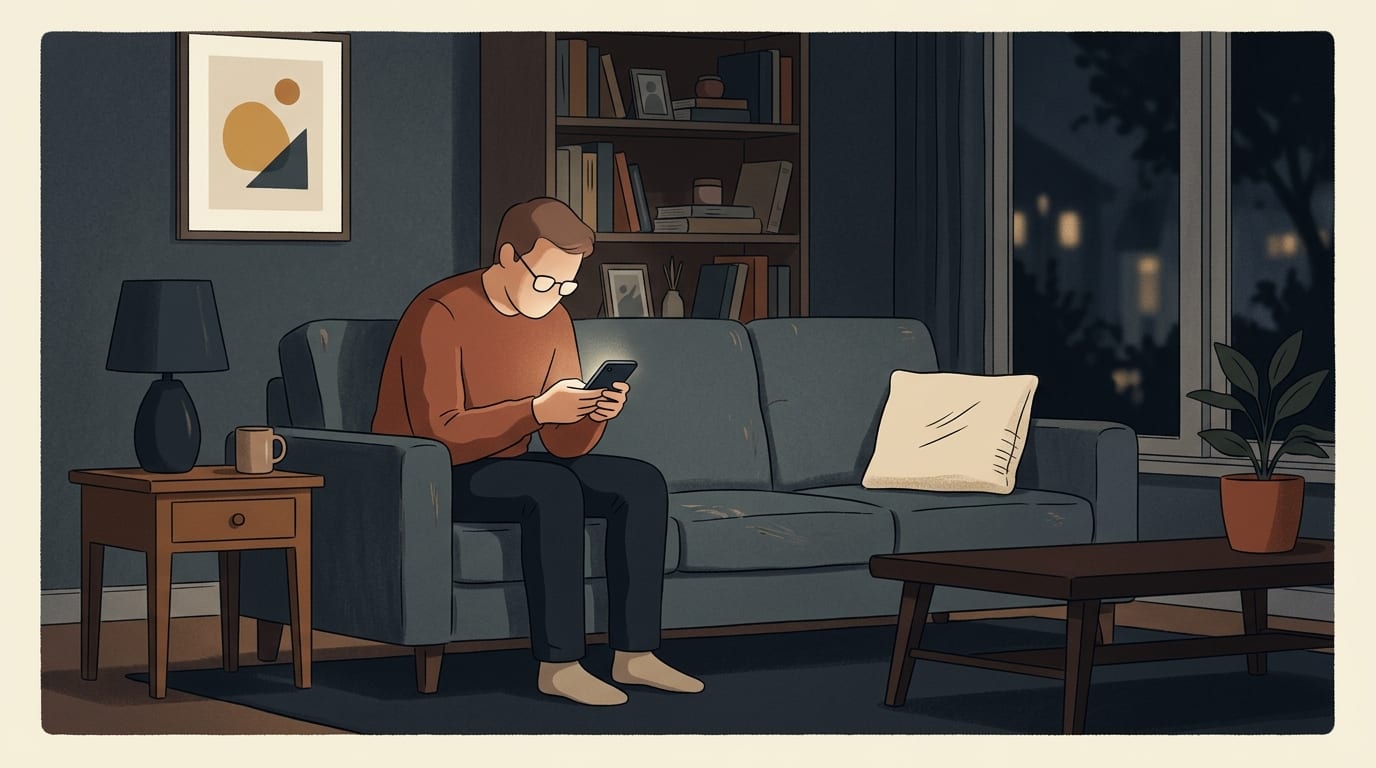
Years in, you will look at yourself and realize you can barely remember who you were before them. Your interests have narrowed. Your friendships have thinned. Your sense of self has been replaced by a constant attentiveness to their moods.
That is not love. That is occupation.
The way to protect your heart is not to never love. It is to love people who can love you back.

What this list is really about
None of these eight items are bad to give to the right person.
 See also5 Creepy Things Every Narcissist Hides Somewhere in Their House
Money, information, trust, time, vulnerability, fear, admiration, love. These are the materials of every meaningful relationship. The list is not telling you to never share them.
The list is telling you to be careful about who.
The right person earns these things slowly. They demonstrate, before they receive. They protect what you give them. They give back in equal measure, often without being asked.
The wrong person collects these things and uses them.
The work of recovery, if you are coming out of a narcissistic relationship, is partly about getting these things back. Your time will be spent differently going forward. Your private information will be shared more selectively. Your trust will be given to people who have earned it. Your heart will be protected.
That is not closing yourself off. That is the opposite. It is opening yourself to the people who actually deserve access, and closing the door on the ones who never did.
You are allowed to be careful with what you give. The carefulness is not coldness. It is wisdom you bought with the years you already lost.


